Food variety · 22 March 2026 · Dian Kurniawan · 9 min read

Omega-3 Notes for Men with Full Working Days

Fish, flaxseed, walnuts, and the practical place of omega-3 awareness in an urban schedule.

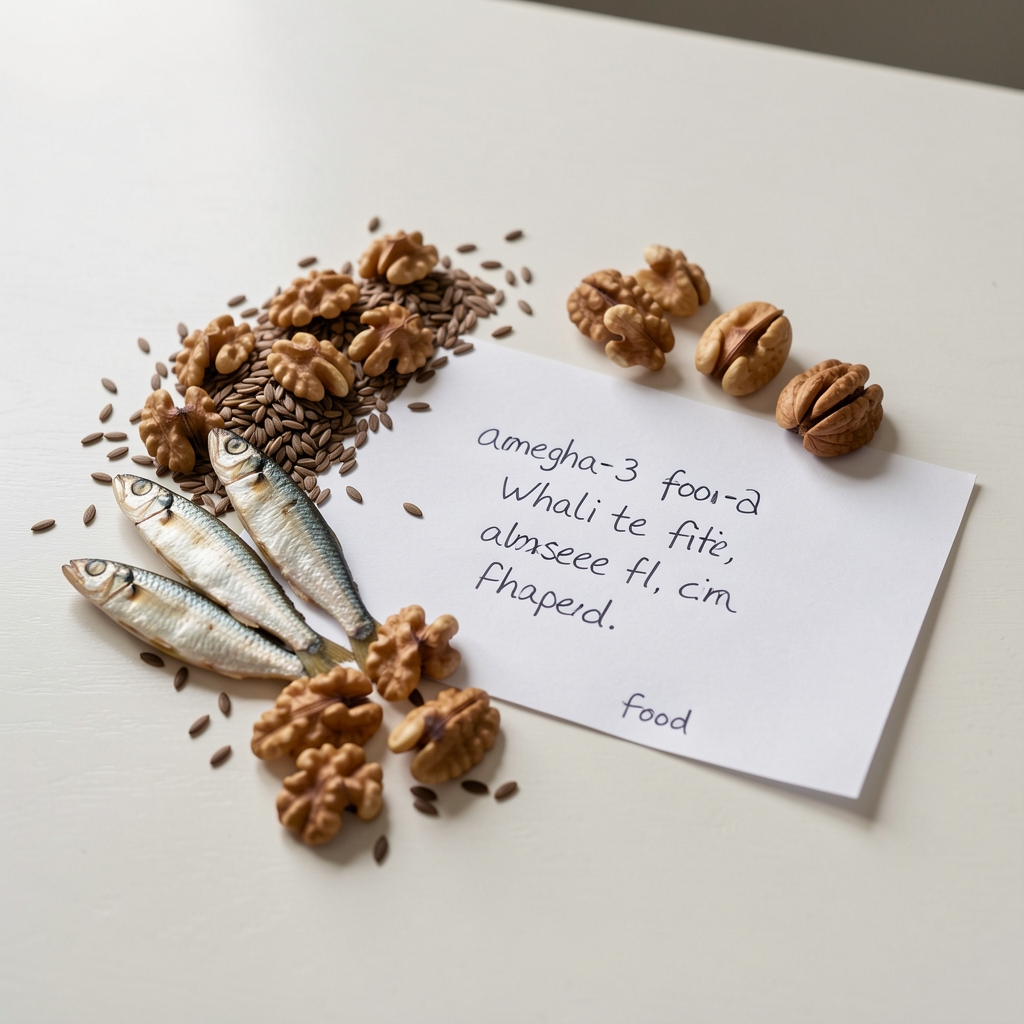
Sardines walnuts flaxseed and a handwritten omega-3 food note on a clean table

Omega-3 discussions often begin with a single ingredient and end with a long list of expectations. A calmer approach begins with food variety. Fish, flaxseed, walnuts, and other familiar ingredients provide a useful frame for understanding the daily omega-3 sources men may encounter in an ordinary week in Jakarta, where market stalls, supermarkets, and home kitchens each offer a different mix of options.

The weekly plate comes first.

For a man moving between meetings, traffic, and training, meals can become repetitive without anyone intending it. A weekly food map brings the conversation back to the plate rather than to a single capsule or bottle. It can show where fish appears, where seeds fit, and whether a packed lunch offers the variety the reader intended when planning the week.

This map need not be elaborate. Three columns — meal, source, and note — are usually enough to make the pattern visible. The purpose is awareness, not a precise tally kept to the gram, and the exercise works just as well on a phone note as it does on paper.

Reading source language carefully.

Labels may mention different forms and amounts, while food sources arrive with their own preparation traditions. A reader comparing products should record the wording exactly, then place it beside the broader eating pattern already in place. The label is one piece of information among several, not the entire picture, and it reads more clearly once it sits next to a real week of meals.

Fresh mackerel and sardines beside chopped walnuts and flaxseed on a linen kitchen towel
Split view

Two ways men encounter omega-3 in daily life.

Some readers meet the topic through a plate: grilled fish at a warung, a handful of walnuts kept at a desk, or flaxseed stirred into breakfast oats. Others meet it through a label on a shelf, printed with serving sizes and technical wording that can feel distant from an actual meal.

Neither path is more valid than the other, but the two are easier to compare once they are written down side by side. A short household note — what was eaten, and what a label separately claimed — often reveals how much overlap already exists in a typical week.

Overview

Common omega-3 sources, side by side.

A short reference table summarising frequently cited food sources and how they are generally described in published nutrition material.

Source Typical form Editorial note
Sardines and mackerelGrilled, steamed, or in a clear brothWidely available across Jakarta markets and warung menus
WalnutsRaw, as a desk snackEasy to portion and carry through a working day
FlaxseedGround, stirred into breakfastOften paired with oats or yoghurt in morning routines
Fortified eggsBoiled or as part of a cooked mealPresented on some labels as a secondary daily source
At a glance
3

Common fish-based sources noted in this article

2

Plant-based sources discussed alongside fish

1

Weekly food map suggested per reader

2026

Current publication volume

Building a routine that survives a busy week.

Men's wellness in Indonesia is shaped by local foods, shared meals, and changing schedules. A useful editorial article should sound like those conditions, not like a distant catalogue written for no particular reader. The same applies to a personal routine: it should be built around meals that are actually available, not an idealised version of a kitchen nobody keeps.

A few practical starting points tend to help readers organise their own week:

  • Choose one or two fixed meals where a fish-based source can appear without extra planning.
  • Keep a small portion of nuts or seeds somewhere easy to reach during a working day.
  • Note any label claims separately from meals, so the two records stay easy to compare later.

Over a few weeks, most readers notice which of these habits fit naturally and which required constant reminders. That difference is itself useful information, and it is often more informative than any single day's food log.

  1. Write down three typical lunches from the past week.
  2. Mark which of them already included a fish-based or plant-based omega-3 source.
  3. Choose one small, realistic addition for the coming week rather than a complete overhaul.
Questions readers ask

A short omega-3 FAQ.

Is fish always the most practical source in Jakarta?

For many readers, yes, simply because grilled and steamed fish are widely served at warung and home kitchens alike. Plant-based sources such as walnuts and flaxseed are useful complements rather than replacements.

Should a label's wording be trusted on its own?

A label is one useful reference point, but it reads best alongside a record of actual meals. Readers with specific questions about their own diet are encouraged to speak with a qualified professional.

Editorial note

This article reflects general observations from published nutrition sources and everyday food habits described by readers in Jakarta. It is descriptive rather than prescriptive, and it is not intended as professional health guidance.

Continue the routine notes.

Related field notes look at magnesium and zinc habits across a similar working week.

Read the next note