Editorial standards

The Record Behind the Record.

Raloden uses a transparent method for discussing magnesium, omega-3, zinc, and daily nutrition choices for active men in Indonesia. This page sets out that method in full, including how sources are chosen, how labels are read, and how a finished article is checked before it is published.

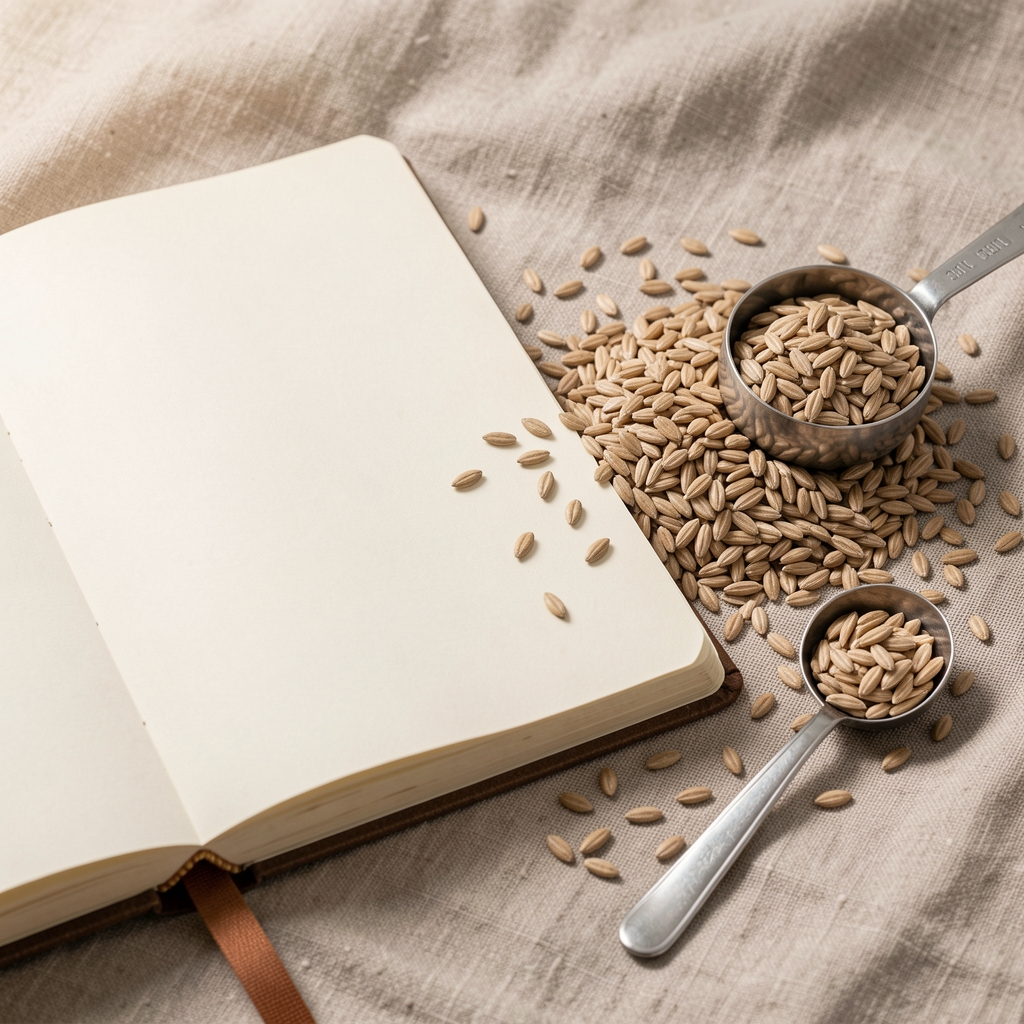
Open editorial methodology notebook beside whole grains seeds and a measuring spoon on linen

Source selection.

Each feature begins with published nutritional research, established food composition references, and product label information that is available to any reader. The desk records the date, source type, and point of agreement before drafting begins, so that a claim can be traced back to where it came from rather than resting on memory alone.

Commercial material, including a brand's own packaging copy, may be described within an article, but it is never treated as the final word on a topic. Where packaging language and published food composition data appear to disagree, the article notes the disagreement plainly instead of choosing the more convenient version.

Reading the label.

Serving size, ingredient form, timing language, and accompanying food sources are considered together rather than in isolation. The method avoids turning one line of packaging into a sweeping conclusion about an entire routine. When a label is unclear or uses vague wording, the article says so plainly rather than filling the gap with a guess.

Where a label recommends a specific time of day, the desk treats that as a routine suggestion rather than a rule that applies to every reader equally. A reader's own schedule, meals, and preferences are given equal weight in the final text.

Routine context.

Men living active lives may move between office work, training, commuting, and late meals within a single day. Raloden therefore studies realistic patterns rather than an idealised schedule that assumes unlimited time. The central editorial question is always whether a habit can be understood and observed within a normal working week in Jakarta.

Field notes are gathered informally from conversations with readers and contributors about how a routine actually unfolds day to day, including the interruptions, missed days, and adjustments that a tidier account would leave out.

Editorial stepRecord keptReader value
Source reviewPublication and dateTraceable context
Label readingServing and ingredient notesClear comparison
Food mappingWhole-food sourcesDietary variety
Routine checkWeekly schedule notesRealistic expectations
Final reviewSecond-reader sign-offConsistent accuracy
Good methodology makes room for uncertainty without making the page difficult to read.

How an article moves through the desk.

  1. Topic proposal. A contributor identifies a specific angle on a mineral, food group, or routine, and outlines why it is relevant to an active reader in Jakarta this month.
  2. Source gathering. Published research, food composition tables, and available label information are collected and dated before a single sentence of the article is written.
  3. Drafting. The contributor writes a first draft that keeps food context beside every mention of a nutrient, avoiding language that treats a supplement as a stand-alone solution.
  4. Fact check. A second reader compares every factual sentence against the gathered sources and flags anything that cannot be traced back to one of them.
  5. Editorial sign-off. The lead editor reviews tone, structure, and compliance with the desk's standards before scheduling the piece for publication.
  6. Post-publication review. Articles are revisited periodically, and any correction is dated and recorded rather than edited silently.

Method in numbers.

2

independent readers review every article before it is scheduled for publication.

5

editorial steps, from topic proposal to post-publication review, applied to each feature.

12

months is the typical interval at which an older article is checked for accuracy and freshness.

These figures describe the internal process rather than any outcome promised to a reader. They exist so that the method itself remains open to inspection, in the same way an article's sources are open to inspection.

Revision and correction.

Articles are checked by a second reader before publication, and the desk maintains a simple log of any correction made after an article has gone live. A correction is added as a dated note beneath the original text rather than by quietly rewriting the piece, so that returning readers can see what changed and when.

If a reader identifies an error, the fastest route is the contact page, where a message reaches the editorial desk directly. Corrections of factual detail are typically reviewed within a few working days, and the reader who reported the issue is thanked in the reply whenever contact details are provided.

  • Factual corrections are dated and kept visible on the article.
  • Source lists are updated when a newer reference becomes available.
  • Article titles are not changed once published, to keep links stable.

Limits of this method.

No editorial process removes every possible error, and Raloden does not claim otherwise. The method described here is intended to reduce avoidable mistakes and to make the publication's reasoning visible, not to offer a promise about any reader's personal outcome. Readers with specific health considerations are encouraged to speak with a qualified professional before changing a routine.